

Adults with Healthy Teeth and Gums
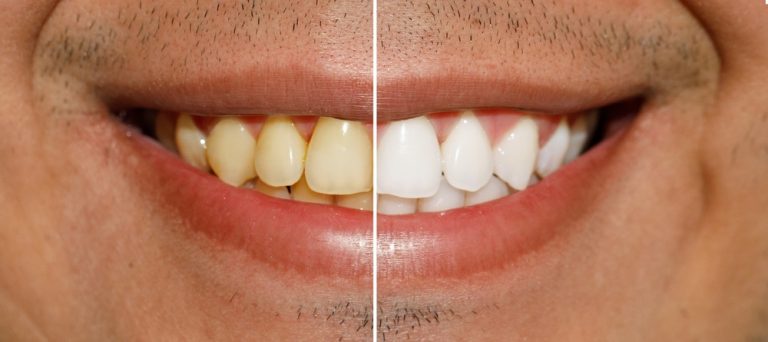
The foundation of successful whitening is good oral health. Ideal candidates have no active cavities, gum disease, or infections requiring treatment. Your tooth enamel should be intact without significant erosion or damage. Healthy gum tissue that doesn’t bleed during brushing indicates you can safely undergo whitening without irritation or complications. We evaluate your entire mouth to confirm everything is in optimal condition before proceeding.
Patients with Extrinsic Staining
You’re an excellent candidate if your discoloration comes primarily from surface stains caused by coffee, tea, wine, tobacco, or foods with strong pigments. These extrinsic stains respond dramatically to professional whitening treatments. Yellow or brown discoloration from lifestyle habits typically lightens several shades with proper treatment. If you’ve noticed gradual darkening over the years of consuming staining substances, professional whitening can reverse much of that damage.
Individuals with Realistic Expectations
Good candidates understand what professional whitening can and cannot achieve. You should expect noticeable improvement—typically two to nine shades lighter—but not necessarily “Hollywood white” perfection. Realistic candidates recognize that natural tooth color varies and that their results depend partly on their starting shade. You’re willing to commit to maintenance and understand that whitening requires touch-ups over time to sustain results.
 People with Minimal Dental Restorations on Front Teeth
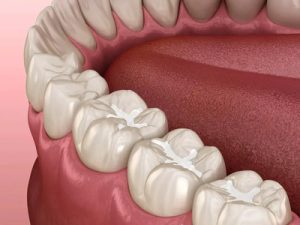
Ideal candidates have mostly natural tooth structure visible when they smile. If you have dental fillings, tooth crowns, or veneers, they’re located in back teeth rather than prominently displayed front teeth. Natural enamel whitens while restorations stay their original color, so minimal visible dental work ensures uniform results. Patients planning future restorations make excellent candidates since we can whiten first, then match new dental work to your brighter shade.
Those Committed to Oral Hygiene
The best candidates maintain excellent daily oral care habits. You brush twice daily, floss regularly, and attend routine dental cleaningsevery six months. This commitment indicates you’ll properly care for your whitened teeth and maintain results long-term. Good oral hygiene also means your teeth and gums stay healthy throughout the whitening process and afterward, protecting your investment.
Patients Without Severe Tooth Sensitivity
Ideal candidates experience little to no tooth sensitivity during normal activities. While temporary sensitivity during whitening is common, people who already have severe sensitivity may find treatment uncomfortable. If you have mild sensitivity that’s manageable with desensitizing toothpaste, you can likely undergo whitening with appropriate precautions and modified treatment intensity.
Adults Over Age 18
The best candidates have fully developed permanent teeth with mature enamel. By age 18, tooth development is complete, and enamel is less porous and sensitive than in younger patients. Adult teeth respond more predictably to whitening agents with fewer sensitivity issues. Your permanent teeth will benefit from whitening without the concerns that come with treating developing dentition.
Individuals with Yellow or Brown Tooth Discoloration
Yellow and brown stains respond exceptionally well to professional whitening treatments. These colors indicate staining patterns that bleaching agents effectively break down. If your teeth have a yellowish or brownish cast rather than gray tones, you’re likely to see dramatic improvement. The peroxide in whitening gels specifically targets the molecules that create these warm-toned stains.
Patients Motivated to Avoid Staining Habits
Good candidates are willing to modify lifestyle habits that caused their original staining. You’re prepared to reduce coffee and wine consumption, quit tobacco, or take preventive measures like rinsing after consuming staining substances. This motivation protects your investment and extends the longevity of your results. Candidates who acknowledge their role in maintaining their bright smile tend to achieve the best long-term outcomes.
People Seeking Quick Aesthetic Improvement
If you want noticeable cosmetic enhancement without invasive procedures, you’re an ideal whitening candidate. Patients preparing for weddings, job interviews, reunions, or other special occasions benefit from the fast results professional whitening delivers. You appreciate that a 90-minute in-office treatment or a two-week take-home system can dramatically transform your appearance with minimal time commitment.
Those with Adequate Enamel Thickness
Candidates with normal enamel thickness achieve the best results with minimal sensitivity. If your enamel has worn thin from aggressive brushing, acid erosion, or grinding, you may experience more discomfort during whitening. Your dentist assesses enamel condition during your examination and determines whether your tooth structure can safely tolerate whitening agents.
 Active Gum Disease or Periodontal Issues
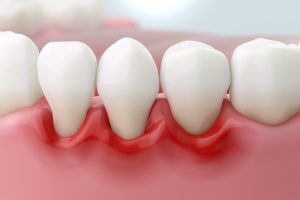
If you currently have gingivitis or periodontitis, whitening must wait until your gum disease is treated and resolved. Whitening agents can severely irritate inflamed gum tissue, causing pain and potentially worsening your condition. The bleaching process could also allow chemicals to penetrate beneath diseased gums, creating additional problems. We’ll develop a treatment plan to restore gum health first, then revisit whitening once your periodontal condition is stable.
Untreated Cavities or Tooth Decay
Cavities create openings in tooth enamel that allow whitening gel to reach the sensitive inner tooth structure, causing severe pain. Decay also indicates compromised tooth integrity that could worsen with whitening treatment. All cavities must be filled and decay removed before whitening can safely proceed. This protects both your comfort and your tooth structure from potential damage.
Extensive Dental Restorations on Front Teeth
If you have multiple crowns, veneers, dental bridges, or large composite fillings visible when you smile, whitening may not be your best option. These restorations won’t change color during treatment, creating a mismatched appearance against your newly whitened natural teeth. You’d need to replace all visible restorations after whitening to achieve uniform color—an expensive proposition. Alternative cosmetic treatments might better serve your needs.
Severe Intrinsic Staining from Medications
Deep staining from tetracycline antibiotics or excessive fluoride often resists bleaching treatments. These gray or brown bands penetrate so deeply into tooth structure that standard whitening produces disappointing results. While some improvement may occur with aggressive treatment, the time, cost, and potential sensitivity may not justify modest results. Porcelain veneers typically provide better outcomes for severe medication-related discoloration.
 Pregnant or Nursing Mothers
Pregnancy and breastfeeding represent times to postpone elective whitening treatments. Though no evidence proves harm, the lack of comprehensive safety studies means we err on the side of caution. Hormonal changes during pregnancy also affect oral tissues, potentially increasing sensitivity and complication risks. After pregnancy and nursing, you can safely pursue professional whitening.
Children and Young Teenagers Under 18
Developing teeth have larger nerve chambers and thinner, more porous enamel that’s highly sensitive to whitening agents. Young patients experience more discomfort and unpredictable results. Additionally, baby teeth should never be whitened—if primary teeth are discolored, this indicates an underlying problem requiring diagnosis and treatment rather than cosmetic masking.
Patients with Extremely Sensitive Teeth
If you already experience severe sensitivity to hot, cold, or sweet stimuli, whitening may be intolerable. The temporary sensitivity caused by bleaching agents would compound your existing discomfort significantly. While desensitizing treatments can help mild sensitivity, severe cases often require alternative cosmetic approaches that don’t involve peroxide exposure.
Individuals with Exposed Tooth Roots
Receding gums that expose tooth roots create complications for whitening. Root surfaces lack protective enamel and are extremely sensitive. Whitening gel applied to exposed roots causes significant pain and doesn’t effectively lighten the root structure anyway. If you have an extensive recession, we’ll discuss whether treating the recession first or pursuing alternative cosmetics makes more sense.
If you don’t qualify for traditional whitening, several alternative treatments can still brighten your smile.
Porcelain Veneers
These thin ceramic shells bond over front teeth to completely mask severe discoloration, chips, gaps, and misalignment. Veneerswork beautifully for patients with resistant intrinsic staining or extensive front tooth restorations. While more expensive than whitening, they provide a permanent, dramatic transformation that addresses multiple cosmetic concerns simultaneously.
 Dental Bonding
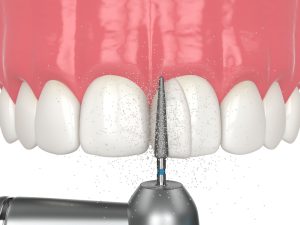
Tooth-colored composite resin can cover isolated stained teeth or specific discolored areas. Dental bondingoffers a conservative, affordable option for patients who aren’t good whitening candidates due to localized issues. The procedure typically takes one appointment and provides immediate results, though bonding may stain over time and requires eventual replacement.
Crowns for Severely Discolored Teeth
Full-coverage dental crownscan restore individual teeth with severe intrinsic staining or structural damage. If you have one or two problematic teeth that won’t whiten, crowns provide a complete color transformation while also strengthening compromised tooth structure. Modern ceramic crowns look completely natural and resist staining better than natural teeth.