
Dental Bonding in Aventura, Pembroke Pines, and Fort Lauderdale, FL
Cosmetic Dental Bonding in Miami-Dade and Broward County
We’re glad to welcome patients from Hallandale Beach, Miramar, Davie, and the greater Miami metropolitan area for dental bonding. If a chip, gap, or discolored tooth has been bothering you, bonding is often one of the fastest and most affordable ways to fix it.
Call 305-935-2797 for Aventura, 954-430-2300 for Pembroke Pines, or 954-963-3706 for Fort Lauderdale to ask our dental team near Miami whether bonding fits your situation.
Why Patients Choose The Dental Care Group
Our practice has been part of the South Florida dental community since 1970, and cosmetic work like bonding is something our dentists perform often, which shows in how naturally the finished result blends with the rest of your smile. Our Fort Lauderdale dental office sits close to the Galleria Mall, making it easy to fit a lunchtime bonding appointment into a day of errands. We also keep a range of resin shades on hand so your bonded tooth matches the surrounding teeth closely, not just in color but in texture and shine.
Patients appreciate that bonding rarely requires a second visit, so a smile concern that’s been on your mind can often be resolved before you even leave the chair. It’s also a comfortable entry point for patients who are new to cosmetic dentistry, since there’s minimal commitment and the results are visible right away, giving you a clear sense of what one small change can do for your overall smile and confidence.
What Is Dental Bonding?
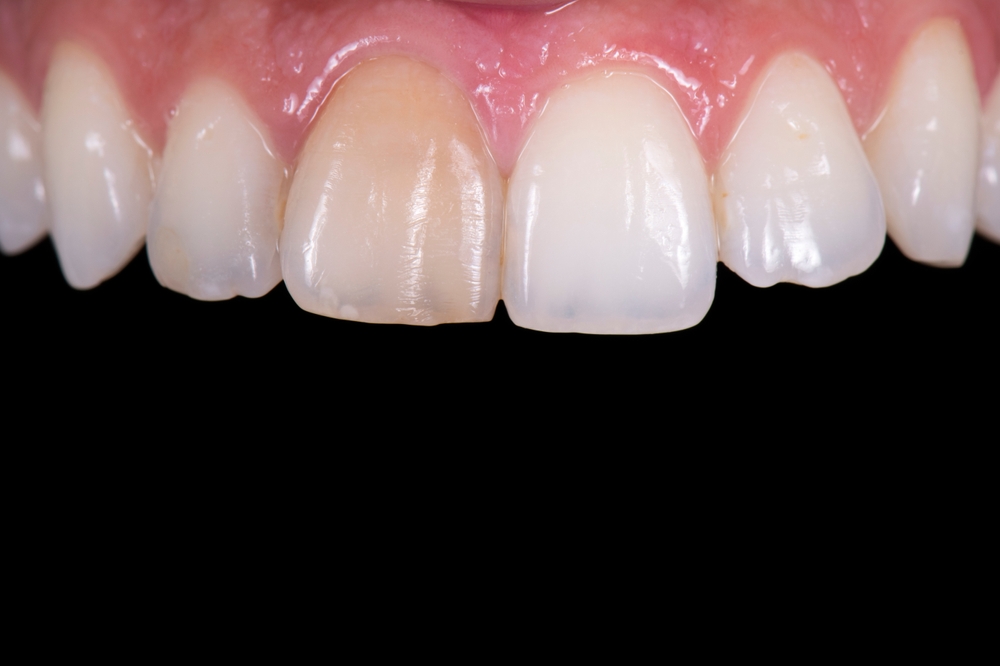
Dental bonding is a cosmetic procedure where a tooth-colored resin material is applied directly to a tooth, shaped to correct its appearance, and hardened with a curing light. The resin bonds to the natural tooth structure, closing gaps, covering chips, and masking discoloration in a single office visit. It’s one of the simplest ways to improve a smile without the time or cost of more involved treatments.
What Dental Bonding Can Fix
Bonding is a flexible, low-commitment fix for several common cosmetic concerns. Our dentists commonly use it for:
- Chipped or slightly cracked teeth
- Small gaps between teeth
- Discoloration that whitening alone hasn’t resolved
- Teeth with an uneven or irregular shape
- Short teeth that could use added length
- Exposed tooth roots caused by gum recession
Because the resin is sculpted to match your natural tooth color, most people find it blends in seamlessly once the appointment is finished.
How the Bonding Process Works
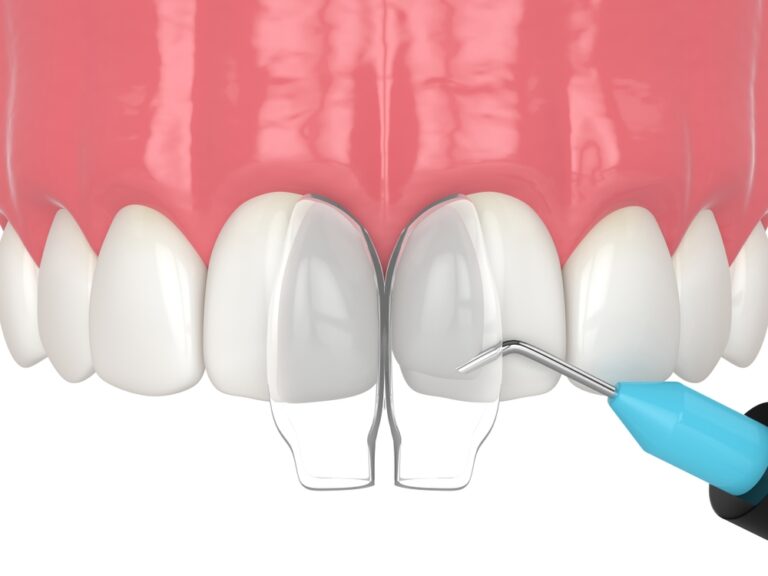
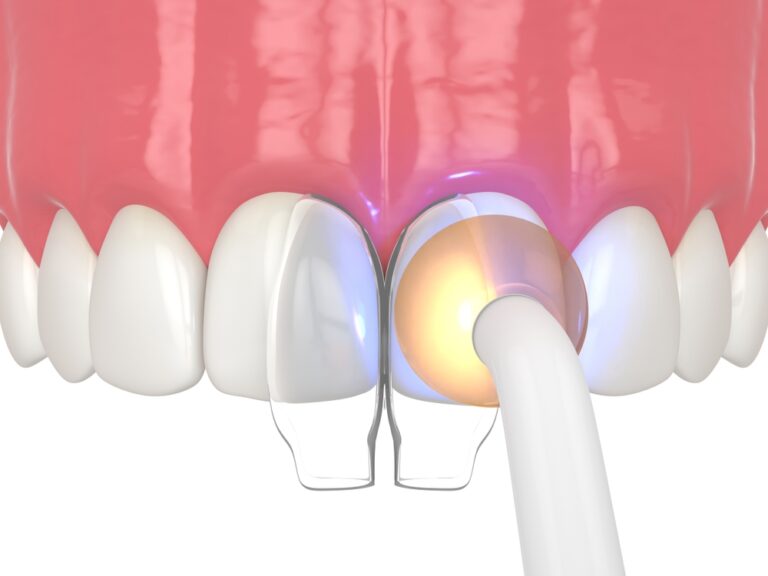
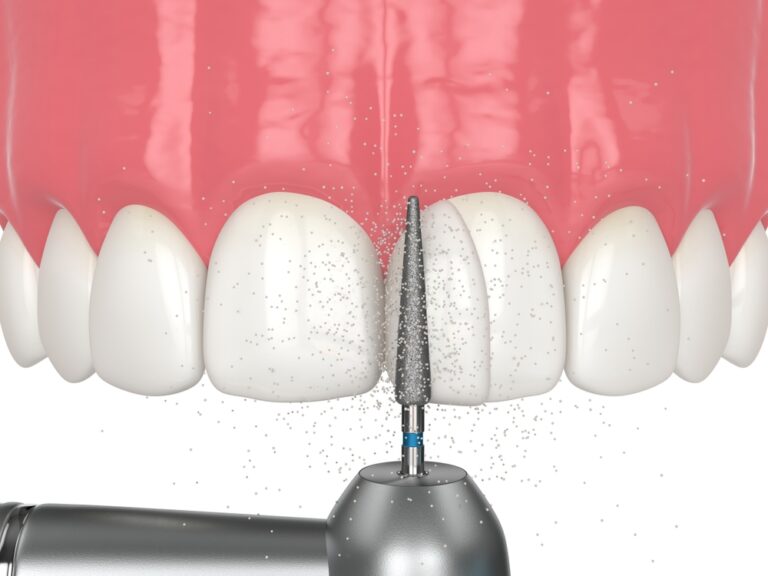
Bonding is refreshingly quick compared to other cosmetic treatments, and most patients are in and out within a single visit. Here’s what typically happens:
- Your dentist selects a resin shade that matches your natural teeth
- The tooth surface is lightly roughened so the resin adheres properly
- A bonding agent is applied to help the material stick
- The resin is applied and shaped by hand to correct the tooth’s appearance
- A curing light hardens the material in seconds
- The tooth is trimmed and polished for a natural, smooth finish
Because there’s little to no removal of your natural tooth structure, bonding tends to be comfortable, and most patients don’t need anesthesia unless bonding is also being used to fill a cavity.
Bonding vs. Veneers: What’s the Difference?
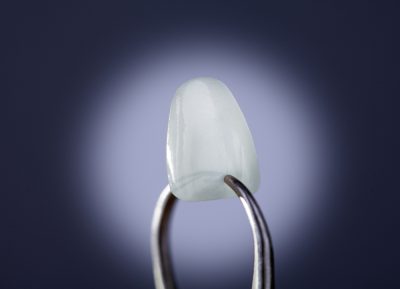
Patients often ask how bonding compares to porcelain veneers, and the honest answer is that each has its place. Bonding is less expensive, can usually be completed in one appointment, and requires little preparation of the tooth. Veneers, on the other hand, are more durable and stain-resistant over time, though they take more than one visit and a bit more cost upfront. For a single chipped tooth or a small gap, bonding is often the practical choice. For a full smile makeover across several visible teeth, veneers may hold up better long-term.
Caring for Bonded Teeth
Bonded teeth aren’t as strong as your natural enamel, so a few adjustments to your daily habits can help the material last:
- Avoid biting down on ice, pens, or fingernails
- Limit coffee, tea, and red wine, which can stain the resin over time
- Brush and floss around bonded areas just as you would your natural teeth
- Wear a nightguard if you grind your teeth while sleeping
- Visit our office for regular checkups so we can catch any chipping early
With reasonable care, dental bonding typically lasts several years before it needs touching up or replacing.
Are You a Good Candidate for Bonding?
Bonding works well for many patients, but it isn’t the right fix for every situation. You’re likely a good candidate if:
- The tooth issue is minor, such as a small chip, gap, or discoloration
- You’re looking for a same-day, budget-friendly cosmetic fix
- Your bite is healthy, and you don’t grind your teeth heavily
- You want to avoid removing any of your natural tooth enamel
- The affected tooth isn’t under heavy chewing pressure, such as a back molar
If your concerns are more extensive, such as multiple stained or misshapen teeth, your dentist may suggest veneers or dental crowns instead, since those materials tend to hold up better across larger areas of the smile. A quick evaluation during your visit will settle which option makes the most sense for your teeth and your goals.
Frequently Asked Questions
How long does dental bonding last?
Dental bonding typically lasts three to ten years depending on how well it’s cared for and where in the mouth it’s placed. Front teeth used for biting tend to wear a bit faster than back teeth. Regular dental visits allow us to spot early wear and repair it before it becomes noticeable.
Is dental bonding painful?
Bonding is generally painless since it involves little to no removal of tooth structure. Most patients don’t need numbing unless bonding is being combined with a filling for a cavity. Any sensitivity afterward is usually mild and fades within a day or two.
Can dental bonding stain?
Yes, bonding resin can pick up stains from coffee, tea, red wine, and tobacco more easily than porcelain. Rinsing your mouth after dark-colored foods and drinks, along with routine brushing, helps keep the color looking fresh. If staining becomes noticeable, the bonding can usually be polished or replaced.
How much does dental bonding cost?
Bonding is one of the more affordable cosmetic options, typically priced per tooth and often lower in cost than veneers or crowns. The exact price depends on how many teeth are treated and the extent of the repair needed. Our team can provide a personalized estimate during your consultation.
Contact Our Cosmetic Dentists Near Miami Today
A chipped or discolored tooth doesn’t have to stick around. Our cosmetic dentists in Aventura, Pembroke Pines, and Fort Lauderdale can often resolve minor imperfections in a single visit, giving you a smile you feel good about again.
Call 305-935-2797 to reach our Aventura office, 954-430-2300 for Pembroke Pines, or 954-963-3706 for Fort Lauderdale to schedule your appointment. We look forward to welcoming patients from Hallandale Beach, Miramar, Davie, and across South Florida into our office for a smile refresh that fits into your day.
Locations Performed in
What they say
Yunior G.
September 15, 2026
I had such a great experience at this dental office! From the moment I walked in, the front desk team was incredibly welcoming and kind. ...
Christina R.
September 15, 2026
When I tell you I have extreme dental anxiety… That is putting it lightly. Today I had an extraction done by Dr Miller with Jeanette ...
Daisy B.
September 15, 2026
I had such a great experience at this dentist office—everything was clean, organized, and welcoming. The staff made me feel comfortable from the moment I ...
Debbie G.
September 15, 2026
I love this office they are very sweet and professional. The staff, especially Dr. Perez, Claudia, and Amanda, are amazing. Dr. Perez is very patient, ...
Daniel R.
September 15, 2026
I would give this office 10 stars if it was possible. They are so welcoming and friendly. Going to the dentist is hard enough, but ...
Jessica P.
September 15, 2026
Absolutely amazing! The staff are always friendly, professional and caring. After years of bad experiences with other dentists it was a blessing to find this ...
Xiomara O.
September 15, 2026
Had an amazing experience with both Dr. Joel Glicksman and Dr. Mathew Fien. They explained every detail of the process to include my husband. They ...
Ikey O.
September 15, 2026
I had a great experience with Dr. Mars and the whole office. I did my Invisalign treatment with Dr. Mars and I’m really happy with ...
Jay S.
September 15, 2026
Lily provided exceptional care and detailed information regarding the condition of my teeth. Her dental cleaning technique was superlative. She is a gem and I ...
Payment Information
CASH

CHECK

CREDIT CARD

Insurance









Our office staff is always available to help you with insurance claims and paperwork. We’ll work with your insurance provider to make sure that your coverage meets your needs and your budget.
Financing

The cost of your treatment will vary depending on your individual needs and treatment plan. We will discuss with you the cost of your treatment and each of your available payment options before you begin, so that you can make the best choice for you.
We offer:
- Easy Payment Options
- Affordable Savings Plans
- Web Specials
- Dental Care Group Discount program