

Emergency Toothache Treatment in Aventura, Pembroke Pines, and Fort Lauderdale, FL
Do You Need an Emergency Dentist in South Florida?
A toothache can strike without warning, causing intense pain and disrupting every aspect of your day. Whether it’s a sharp, throbbing sensation or a dull ache that just won’t quit, finding emergency toothache treatment is critical—not only to relieve pain, but to address the underlying cause before it becomes something more serious. At The Dental Care Group, we specialize in providing fast, effective, and compassionate dental care to patients across Aventura, Pembroke Pines, and Fort Lauderdale.
If you’re looking for an emergency dentist near you, contact our Aventura dental office at (305) 935-2797, our Pembroke Pines dental office at (954) 430-2300, or our Fort Lauderdale dental office at (954) 963-3706.
Why Choose The Dental Care Group for Your Toothache
A toothache rarely announces itself as a single, simple problem. What starts as a dull ache in one tooth might trace back to a cracked filling, an underlying gum issue, or a nerve that needs root canal therapy, and sometimes the full picture only becomes clear once treatment is already underway. This is where having access to a full range of dental specialties under one roof makes a real difference in your care.
At The Dental Care Group, our Aventura, Pembroke Pines, and Fort Lauderdale offices bring together general dentists, periodontists, endodontists, and oral surgeons who collaborate directly on your treatment. If your toothache turns out to need a root canal, a periodontal evaluation, or an extraction with same-day tooth replacement planning, you won’t be sent elsewhere and asked to start over with a new provider.

What Causes a Toothache?
Toothaches can stem from a wide range of dental conditions, from minor irritation to serious infection.
- Tooth Decay: Bacteria erode the tooth’s enamel over time, eventually reaching the sensitive layers beneath and causing pain that can range from mild sensitivity to severe, constant aching.
- Dental Abscess: A pus-filled infection at the root of a tooth or in the surrounding gum tissue, among the most painful dental emergencies, and requires immediate treatment to prevent the infection from spreading.
- Cracked or Fractured Teeth: May allow pressure and temperature changes to reach the nerve, producing a sharp pain that comes on suddenly when biting.
- Gum Disease: In its more advanced stages, it can also cause significant tooth pain, particularly as the supporting bone around the tooth is lost.
- Impacted Wisdom Teeth: create pain and pressure at the back of the mouth and often lead to swelling.
- Dental Trauma: An accident or sports injury can result in a chipped, cracked, or loosened tooth that causes immediate and significant discomfort.
- Sensitivity: Exposure of the root surface due to gum recession or enamel wear can make hot, cold, or sweet foods suddenly unbearable.
When Is a Toothache a Dental Emergency?
Not every toothache requires an emergency visit, but certain symptoms should never be ignored.
- Severe pain that over-the-counter medications aren't helping with
- Swelling in the face, jaw, or gums
- A fever or chills
- Difficulty swallowing or breathing
- Bleeding gums or pus visible around a tooth
- A knocked-out or loose tooth
- Jaw pain or clicking that comes on suddenly alongside tooth pain

As a general rule, if pain has lasted more than 24 to 48 hours, is waking you at night, or is getting progressively worse rather than improving, treat it as an emergency and call us today. Contact our South Florida dentists at Aventura (305) 935-2797, Pembroke Pines (954) 430-2300, or Fort Lauderdale (954) 963-3706 to schedule an emergency appointment. We’ll get to the root of your tooth pain.
Actions to Take for Toothache Relief
While you’re waiting for your appointment, there are several steps you can take to manage the pain and reduce the risk of the situation worsening.
Warm Salt Water Rinse
Rinsing your mouth with warm salt water is among the simplest and most effective first steps. This method helps clear away food particles and bacteria from around the affected area while reducing inflammation in the soft tissue. The warmth is soothing on irritated gums, and the salt creates a slightly alkaline environment that bacteria don’t thrive in.
Cold Compress Application
Applying a cold compress to the outside of your cheek can significantly reduce swelling and provide temporary pain relief. Cold constricts blood vessels, which reduces both inflammation and the throbbing that comes with it. Apply the compress for 15 to 20 minutes at a time, with the compress wrapped in a clean towel to protect the skin.
Do not apply heat. Heat increases blood flow to the area and can cause an infection to spread more quickly.

Elevate Head
Elevating your head when resting or sleeping can also help. When you lie flat, blood pressure in the head increases, which often intensifies tooth pain. Using an extra pillow to keep your head elevated reduces this effect and can make the difference between a few hours of rest and none at all.
Pain Medications
For over-the-counter pain relief, ibuprofen (such as Advil or Motrin) is generally the most effective option for dental pain because it addresses both pain and inflammation. Acetaminophen (Tylenol) is a reliable alternative for those who cannot take NSAIDs, and the two can be alternated for stronger combined relief. Follow dosing instructions carefully and never exceed the recommended amounts.
Topical Medications
Topical anesthetic gels containing benzocaine, such as Orajel, can be applied directly to the affected gum tissue for localized numbing. These products are widely available and provide short-term relief that can be helpful in the hours before your appointment. Avoid placing aspirin directly against the gum tissue. This is a common but harmful home remedy that causes a chemical burn to the soft tissue rather than relieving pain.
Toothache Treatments
Dental Fillings for Cavities and Minor Damage
When severe toothache pain stems from decay or minor damage that hasn’t yet reached the pulp, a dental filling is often the most efficient path to relief. Our dentist removes the decayed or damaged portion of the tooth and fills it with a durable, tooth-colored composite resin that restores both function and appearance. This is a quick, minimally invasive procedure that can typically be completed in a single visit.
Root Canal Therapy for Infected or Damaged Teeth
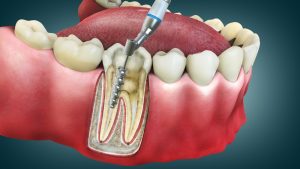
Severe toothaches caused by an infected or inflamed tooth pulp often require root canal therapy. Despite its reputation, modern root canal treatment is performed under local anesthesia and is far more comfortable than the infection it treats. Our dentist removes the infected pulp, thoroughly cleans and disinfects the root canal system, and seals the tooth to prevent reinfection. A dental crown is then typically placed over the tooth to protect it and restore full function. Most patients feel significant relief immediately after the procedure.
Tooth Extraction for Unsalvageable Teeth
When a tooth is too severely damaged, decayed, or fractured to save, extraction becomes necessary to eliminate the source of pain and prevent the spread of infection. We perform tooth extractions with local anesthesia to ensure your comfort throughout, and we take every step to make the procedure as quick and gentle as possible. Detailed aftercare instructions are provided before you leave. We discuss tooth replacement options, including dental implants and bridges, at the same appointment.
Antibiotics or Drainage for Dental Infections
When an abscess is present, or infection shows signs of spreading, antibiotics may be prescribed to control the bacteria and prevent systemic involvement. In cases of a localized abscess, a small incision made under local anesthesia to release the accumulated pus provides immediate relief from the pressure and pain the infection is causing. Antibiotics alone do not cure a dental abscess; definitive treatment of the underlying tooth is always required, but antibiotics are an important part of managing the infection in the short term.
Dental Crowns or Bonding for Cracked Teeth
For tooth pain caused by a crack or chip, the approach depends on the extent of the damage. Minor surface cracks or chips can often be addressed with dental bonding, a tooth-colored resin applied directly to the tooth and shaped to restore its surface and eliminate the pain pathway. For more significant cracks, a dental crown encases the entire visible portion of the tooth, protecting it from the biting forces that were causing pain and preventing the crack from propagating further.
Emergency Gum Treatment for Periodontal Issues
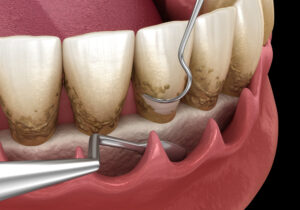
When toothache pain is driven by gum disease or a periodontal abscess, specialized treatment is needed to address the infection in the tissue and bone surrounding the tooth. Deep cleaning, also known as scaling and root planing, removes the bacterial buildup below the gumline and allows the gum tissue to begin healing. In more advanced cases, surgical treatment or drainage of a periodontal abscess may be necessary.
If you’re looking for an emergency dental office near you, contact our South Florida dentist at Aventura (305) 935-2797, Pembroke Pines (954) 430-2300, or Fort Lauderdale (954) 963-3706.
Preventing Future Toothaches
The most effective way to avoid emergency toothaches is a consistent preventive routine. Brushing twice daily with fluoride toothpaste, flossing every day, and rinsing with an antiseptic mouthwash removes the plaque and bacteria responsible for the decay and gum disease that lead to most dental pain. Reducing sugar intake limits the fuel source for decay-causing bacteria. Regular dental checkups and cleanings allow us to catch small problems before they become large and painful ones. Ask us about dental sealants and fluoride applications, which provide additional protection for patients at elevated risk of decay.
Frequently Asked Questions
At what point does a toothache become an emergency?
If your toothache lasts more than one to two days, causes severe pain that over-the-counter medication isn’t adequately controlling, or is accompanied by swelling, fever, or other symptoms, it should be treated as a dental emergency. These signs indicate an advanced cavity or infected tooth that requires immediate attention.
What is the best immediate action for toothache relief?
Rinse with warm saltwater and take ibuprofen at the labeled dose. Apply a cold compress to the outside of your cheek for 15 to 20 minutes and avoid hot or cold foods. These steps manage symptoms while you contact our office for a same-day appointment.
Are there effective home remedies for toothaches?
Saltwater rinses and cold compresses are genuinely helpful for managing toothache discomfort temporarily. Clove oil, which contains a natural anesthetic, can also provide short-term numbing when applied carefully to the gum tissue. These remedies address symptoms only; they do not treat the underlying cause.
Contact Our South Florida Emergency Dentist
The toothache pain that has brought you to this page is pain that needs professional attention. Don’t wait it out, hoping it will resolve on its own. In most cases, the underlying cause will only worsen. The Dental Care Group has treated emergency dental pain across South Florida for over 50 years, and our multilingual staff is here to help you in the language you’re most comfortable with.
Call our dental office today—Aventura at (305) 935-2797, Pembroke Pines at (954) 430-2300, or Fort Lauderdale at (954) 963-3706—and we’ll get you in as soon as possible.