

Dental Care Group is Here to Help You Heal — Every Step of the Way
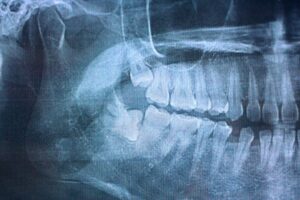 Wisdom tooth removal is one of the most common dental procedures adults undergo, and for most people, recovery goes smoothly. But knowing what to watch for in the days after your extraction can make the difference between a quick recovery and an avoidable complication.
At the Dental Care Group, we believe you deserve clear, honest guidance, not just a post-op sheet you glance at and forget. Here is what to expect, what is normal, and when to reach out. If you have questions or concerns at any point during your recovery, our dental teams in Fort Lauderdale, Pembroke Pines, and Aventura are here for you. Call the location closest to you:
Aventura: 305-935-2797 | Pembroke Pines: 954-430-2300 | Fort Lauderdale: 954-963-3706
What Normal Recovery Looks Like
The first 24 to 72 hours after wisdom tooth removal typically involve some combination of swelling, mild to moderate pain, and light bleeding. This is your body doing exactly what it is supposed to do.
Normal signs of healing include:
- Swelling that peaks around day two or three, then gradually improves
- Mild bleeding or pinkish saliva for the first few hours
- Soreness that responds to over-the-counter pain relievers like ibuprofen or acetaminophen
- Slight bruising around the jaw or cheek
To support healing during this window, keep your head elevated when resting, apply an ice pack to the outside of your jaw in 15-to-20-minute intervals for the first 48 hours, eat soft foods, and avoid straws, smoking, and vigorous rinsing. All of these precautions protect the blood clot forming in the socket, and clotting is critical to your recovery.
Dry Socket: The Most Common Complication After Wisdom Tooth Removal
Dry socket is the most common complication following wisdom tooth removal. It occurs when the blood clot at the extraction site is dislodged or fails to form properly, leaving the bone and nerves underneath exposed.
Dry Socket Symptoms
 It typically develops two to four days after the procedure. Signs include:
- Intense, throbbing pain
- Pain that worsens rather than improves after the first couple of days
- Pain that radiates toward the ear, temple, or jaw,
- A visible, empty-looking socket
- A bad taste or odor in the mouth.
If you recognize these symptoms, do not wait. Dry socket does not resolve on its own. Our team can apply a medicated dressing to the socket that relieves pain and supports healing, often bringing significant relief quickly. In the meantime, gentle warm saltwater rinses beginning 24 hours post-extraction can help keep the area clean.
Dry Socket Risks
Dry socket is more common in people who:
- Smoke
- Use straws
- Do not follow post-operative care instructions closely
If you have a history of dry socket or are a smoker, let us know before your procedure so we can take extra precautions.
Recognizing the Signs of Infection After Extraction
A low-grade ache in the days following surgery is expected. An infection feels different, and it requires prompt care.
 Watch for:
- Fever or chills
- Swelling that worsens or does not begin to improve after two to three days
- Pus or foul-smelling discharge from the socket
- Persistent pain that over-the-counter medications cannot manage
- Difficulty opening your mouth or swallowing.
Infections after extractions can escalate quickly. If you are experiencing any of these symptoms at any of our locations in Aventura, Pembroke Pines, or Fort Lauderdale, contact us the same day. Do not wait to see if it improves on its own.
What to Do If Your Stitches Fall Out Early
If you received sutures after your extraction, dissolvable stitches typically break down within five to ten days, sometimes up to two to three weeks. Some early loosening is normal.
What is not normal is stitches falling out within the first two or three days, especially if accompanied by bleeding, increased pain, or the wound visibly reopening. In that case, call us right away. Early suture loss raises the risk of dry socket and infection, and we want to assess the site before a small issue becomes a bigger one.
When to Seek Emergency Dental Care
 Some situations should not wait for a scheduled follow-up. Contact us immediately if you experience:
- Bleeding that does not slow after 30 to 45 minutes of gentle pressure with gauze
- Severe pain not responding to prescribed or over-the-counter medication
- Swelling that spreads to your neck or makes breathing or swallowing difficult
- Numbness and tingling in your tongue, lip, or chin that does not resolve
All three of our South Florida dental offices are open six days a week, including Saturday dental appointments. If something feels wrong after your wisdom tooth removal, trust that instinct and reach out.
At The Dental Care Group, We Would Rather Hear From You
This is worth saying directly: our team would always rather hear from you and find out everything is fine than have you tough it out alone through something that needed attention. Post-operative questions are part of our care.
If you have concerns after a wisdom tooth extraction or if you are still looking for a dental home for the procedure itself, the Dental Care Group is here. Contact the location most convenient for you, and our multilingual dental team will make sure you have every answer you need.
Call our Aventura dental office at 305-935-2797, our Pembroke Pines dental office at 954-430-2300, or our Fort Lauderdale dental office at 954-963-3706.