

Cracked and Broken Tooth Emergencies in Aventura, Pembroke Pines, and Fort Lauderdale, FL
Emergency Dental Care Near You at The Dental Care Group
A cracked or broken tooth is a dental emergency that can cause significant pain, discomfort, and anxiety. Whether it’s a minor chip or a severe fracture, prompt action is critical. The sooner you’re treated, the better your chances of saving the tooth and preventing infection from setting in. At The Dental Care Group, our team handles cracked and broken tooth emergencies with precise care, advanced technology, and a patient-first approach across three South Florida locations.
If you’re experiencing an urgent dental problem in South Florida, contact our emergency dentist near you by calling Aventura at (305) 935-2797, Pembroke Pines at (954) 430-2300, or Fort Lauderdale at (954) 963-3706.
Why Patients Trust The Dental Care Group in a Dental Emergency
A dental emergency has a way of hiding its real cause. A cracked tooth, sudden pain, or unexpected swelling can turn out to be a cracked filling, a nerve issue, or a gum infection, and sometimes that only becomes clear mid-treatment. Instead of sending you out for a referral and a new set of forms, our team simply adjusts course.
Our Aventura, Pembroke Pines, and Fort Lauderdale locations bring general dentists, periodontists, endodontists, and oral surgeons together under one practice. Whether your emergency leads to a root canal, a periodontal workup, or an extraction paired with same-day tooth replacement planning, the specialist you need is already part of your care team.
What Is a Cracked or Broken Tooth?
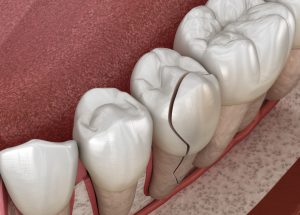
A cracked or broken tooth occurs when the tooth’s structure is compromised in some way, ranging from a hairline crack in the outer enamel to a severe fracture that extends all the way down into the root. The severity of the injury determines both the symptoms you’ll experience and the treatment required. Some cracks are entirely cosmetic and cause no pain; others expose the living tissue inside the tooth and cause extreme sensitivity and constant aching. Still others split the tooth so completely that extraction is the only option.
Types of Tooth Fractures
Understanding which type of fracture you’re dealing with helps us determine the right course of treatment quickly.
- Craze lines are tiny, superficial cracks in the outer enamel that are essentially cosmetic. They’re extremely common, don’t typically cause pain, and rarely require treatment beyond monitoring.
- A chipped tooth involves a small piece of enamel breaking away from the tooth surface. This is usually minor but can leave a sharp edge that cuts the tongue or cheek, and the exposed area can be sensitive to temperature.
- A cracked tooth is a more serious fracture that begins at the chewing surface and extends downward, sometimes reaching the root. This type is particularly tricky because pain can be intermittent and difficult to diagnose without careful examination.
- A fractured cusp occurs when a portion of the chewing surface of the tooth breaks away, often around an existing filling. This typically doesn’t affect the pulp and can often be treated with a crown.
- A split tooth is a complete fracture that divides the tooth into two distinct segments. Depending on where the split occurs and how far down it extends, it may be possible to save a portion of the tooth, or extraction may be necessary.
- A vertical root fracture begins at the root and extends upward. These are often the most difficult to detect because symptoms can be subtle, and they frequently go undiagnosed for some time. In most cases, extraction is required.
If you’re experiencing sharp pain from a tooth crack or other tooth pain, contact our South Florida emergency dentist at Aventura (305) 935-2797, Pembroke Pines (954) 430-2300, or Fort Lauderdale (954) 963-3706 for an appointment.
Symptoms of a Cracked or Broken Tooth
The symptoms of a cracked tooth can vary considerably depending on the type and extent of the fracture.
- Sharp pain when chewing or biting, particularly pain that disappears when you release the bite
- Sensitivity to hot, cold, or sweet foods and drinks that lingers for longer than it should
- An intermittent toothache that comes and goes without an obvious cause
- Constant aching
- Swelling or inflammation around the affected tooth
- A visible chip or missing piece of tooth structure
- Sensation of a rough edge that wasn't there before
What to Do If You Crack or Break a Tooth
If you crack or break a tooth, the first thing to do is rinse your mouth gently with warm water to clean the area and remove any debris. If a piece of the tooth has broken off, store it in a small amount of milk or saline. This helps keep the fragment viable in case it can be reattached. If there is bleeding, apply gentle pressure to the area with clean gauze or a cloth for 10 to 15 minutes.
For swelling, apply a cold compress to the outside of your cheek: 15 to 20 minutes on, 20 minutes off. Take ibuprofen or acetaminophen at the labeled dose for pain, avoiding aspirin if there is active bleeding. Cover any sharp edges with dental wax or sugar-free gum to prevent them from cutting your tongue or cheek. Stick to soft foods and avoid chewing on the affected side entirely until you’ve been evaluated.
Then call us. Time is a critical factor with broken and cracked teeth, especially if the pulp is exposed or pain is significant. The sooner we see you, the more treatment options remain available.
Emergency Treatments for Broken and Cracked Teeth
Dental Bonding
For minor cracks and chips, dental bonding is a fast, non-invasive, and cost-effective solution. Our dentist applies a tooth-colored composite resin directly to the damaged area, shapes and sculpts it to restore the tooth’s natural contour, and bonds it with a curing light. Bonding can eliminate sensitivity, restore appearance, and reinforce the affected area in a single visit.
Dental Crowns
For more significant cracks, a dental crown is frequently the best treatment. The crown encases the entire visible portion of the tooth above the gumline, holding the crack together and preventing it from propagating further with every bite. It also restores the tooth’s strength, shape, and appearance to very nearly what it was before. Crowns are custom-fabricated to match your bite and the natural color of your surrounding teeth.
Root Canal Treatment
When a crack has reached the inner pulp of the tooth, the pulp becomes inflamed or infected, and root canal therapy is necessary to save the tooth. Despite its reputation, modern root canal treatment is performed under local anesthesia and is no more uncomfortable than getting a filling. Our dentist removes the damaged pulp, thoroughly cleans and disinfects the root canal system, and seals it to prevent reinfection. A crown is then typically placed to protect the treated tooth, which will be permanently free of sensation but structurally sound.
Tooth Extraction
When a fracture is severe enough, tooth extraction becomes necessary. This is always a last resort, and our dentists make this determination only when there is genuinely no path to saving the tooth. After extraction, we discuss tooth replacement options with you at the same appointment, including dental implants, dental bridges, and other solutions to restore your smile and prevent the surrounding teeth from shifting.
Contact our dental office near you today by calling Aventura at (305) 935-2797, Pembroke Pines at (954) 430-2300, or Fort Lauderdale at (954) 963-3706 for treatment.
How to Prevent a Broken or Cracked Tooth
Most cases of a broken or cracked tooth are preventable with the right habits, starting with these steps.
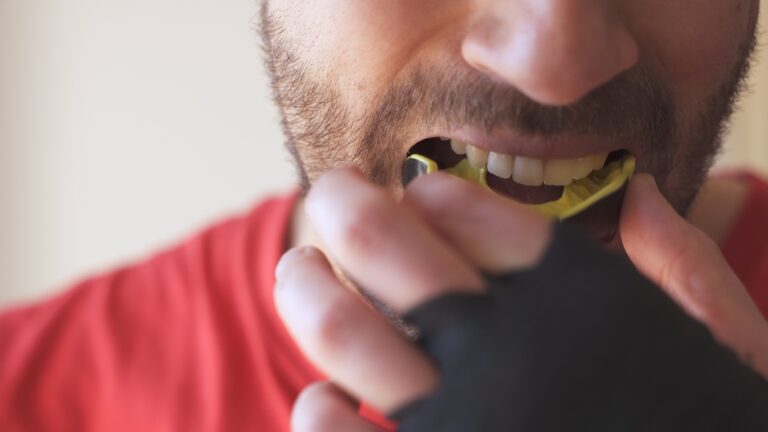
- Wear a custom-fitted mouthguard. This is one of the most effective preventive steps available, both for patients who play contact sports and for those who grind or clench their teeth at night. The forces generated during bruxism are far greater than normal biting forces and cause cumulative damage to tooth structure over time. A nightguard intercepts that damage before it leads to a fracture.
- Avoid hard foods that put excessive stress on tooth structure. Ice feels harmless because it’s water, but chewing ice generates a significant compressive force. The same applies to hard candy, unpopped popcorn kernels, and crusty bread.
- Maintain good oral hygiene. This keeps teeth strong and resistant to fracture, since decayed teeth and teeth with large old fillings are far more susceptible to cracking.
- Keep up with routine dental checkups. These allow us to identify teeth that are weakening before they break, often allowing us to place a protective crown proactively rather than reactively.
- Never use your teeth as tools. Opening packaging, bottles, or anything else with your teeth is one of the most preventable causes of tooth fractures we see.
Frequently Asked Questions
Should I go to the ER for a cracked tooth?
Visiting the emergency room for a cracked tooth is generally not necessary unless you’re experiencing severe pain alongside significant trauma, excessive uncontrolled bleeding, or other serious symptoms. In most cases, call our office first. We can often see you the same day and provide care that an ER is not equipped to offer.
How long can you wait to fix a broken tooth?
You should contact our office within one to two days of the injury at the latest. In the meantime, protecting the tooth with dental wax, avoiding chewing on that side, and staying away from extreme temperatures can help prevent the situation from worsening. Don’t wait several days hoping the pain will resolve on its own.
Can a cracked tooth heal on its own?
No. Unlike bone, teeth have no capacity for self-repair. A crack that is ignored will not close or stabilize. It will almost certainly worsen with continued biting forces, potentially turning a treatable crack into a tooth that requires extraction.
Can a cracked tooth lead to infection?
Yes. When a crack reaches the inner pulp of the tooth or allows bacteria to travel below the gumline, infection can develop. Signs of infection include swelling, fever, a bad taste in the mouth, and worsening pain. Untreated dental infections can spread beyond the tooth and become serious. If you notice any of these signs, call us immediately.
Visit The Dental Care Group for Emergency Dental Services
A cracked or broken tooth demands quick action. The longer you wait, the more limited your treatment options become. At The Dental Care Group, we provide same-day emergency appointments, advanced treatment for all types of tooth fractures, and flexible payment options to make care accessible across all three of our South Florida locations. We’ve served the Aventura, Pembroke Pines, and Fort Lauderdale communities for over 50 years, and our experienced, multilingual team is here to help you.
Contact one of our South Florida locations today to schedule your emergency appointment. Call our dentists in Aventura at (305) 935-2797, dentists in Pembroke Pines at (954) 430-2300, or dentists in Fort Lauderdale at (954) 963-3706.