

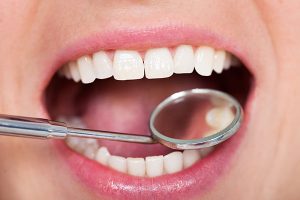
If you’re dealing with chipped teeth, noticeable gaps, or stubborn discoloration, you’ve probably wondered whether dental bonding could solve your problem. The good news? Most people with minor to moderate cosmetic concerns make excellent candidates for this conservative treatment. Bonding uses tooth-colored resin to repair, reshape, and refresh your smile in a single appointment.
But bonding isn’t right for everyone—heavy teeth grinders, those with severe damage, or anyone seeking the absolute longest-lasting solution may need alternatives.
Ready to find out if bonding is right for your smile? Call our Aventura dental team at (305) 935-4991, reach our Pembroke Pines dental team at (954) 432-2020, or contact our Fort Lauderdale dental team at (954) 527-5515 to schedule your consultation. The Dental Care Group proudly serves patients throughout South Florida.
Over 50 Years of Trusted Dental Excellence in South Florida
Since 1970, The Dental Care Group has been a cornerstone of oral health for families across Broward and Miami-Dade counties. What began as a single-office practice has grown into three modern locations in Aventura, Fort Lauderdale, and Pembroke Pines, all united by the same commitment to clinical excellence and compassionate care. Patients choose us because we combine decades of experience with the latest innovative technology and research, ensuring every visit delivers effective, efficient, and personalized results that stand the test of time.
Patients with Minor to Moderate Cosmetic Concerns
The best candidates have small chips, shallow cracks, or minor aesthetic issues affecting otherwise healthy teeth. If you have a chip on a front tooth from an accident, a gap between your two front teeth, or slight discoloration that doesn’t respond to whitening, bonding likely offers an effective solution. Extensive damage typically requires more comprehensive treatment.
 Those with Good Overall Oral Health
Candidates should have healthy gums and teeth free of active decay. While bonding can fill cavities, any existing decay should be addressed before cosmetic bonding to ensure the best foundation for your restoration. Gum disease must be treated and stabilized first, as inflammation interferes with bonding and adhesion.
People Who Maintain Excellent Oral Hygiene
If you brush twice daily, floss regularly, and visit your dentist for routine cleanings, you’ll keep your bonding looking fresh and functioning well for years. Consistent care habits directly impact how long bonding lasts. Poor hygiene leads to staining, decay around the bonding, and premature failure.
Patients Seeking Conservative Treatment
If you want cosmetic improvement but prefer to avoid the extensive tooth preparation required for porcelain veneers or dental crowns, bonding provides an attractive alternative. Bonding typically removes less than 0.5mm of enamel or none at all. Veneers require removing 0.5-1.5mm of tooth structure.
Those with Realistic Expectations
Understanding bonding’s limitations helps ensure satisfaction with your choice. Bonding delivers impressive results but isn’t as permanent or stain-resistant as porcelain veneers. Most bonding lasts three to 10 years, depending on location and care. Veneers typically last 10-15 years or more.
Non-Smokers or Light Smokers Willing to Quit
Tobacco causes significant yellowing and discoloration of composite resin, often requiring bonding replacement sooner than would otherwise be necessary. If you’re willing to quit or dramatically reduce smoking, you can still be a candidate.
 Teenagers and Young Adults
Bonding works well for younger patients with chipped teeth from sports or accidents. Since bonding is reversible, it doesn’t commit them to a permanent alteration at an age when their dental needs may change. It’s an ideal solution while permanent teeth are still maturing.
Young Professionals Seeking Affordable Smile Enhancement
The immediate results and minimal time commitment appeal to busy individuals launching careers who want to make strong first impressions. Most bonding appointments take just one visit without follow-up. You can return to work the same day with a transformed smile.
Middle-Aged Adults Addressing Accumulated Wear
These candidates often appreciate bonding’s ability to refresh their smile without extensive dental work. Years of wear, minor discoloration, and small chips can all be corrected conservatively. Bonding provides a practical mid-life smile refresh.
 Older Adults with Healthy Teeth
Age alone doesn’t disqualify you from bonding. However, bonding may not be the best choice if extensive dental work has already been done on the teeth in question, or if the teeth have significant structural compromise from large fillings, cracks, or root canal treatment.
Athletes Who Will Wear Protective Mouthguards
Those participating in contact sports should be willing to wear a mouthguard to protect their bonded teeth. A custom athletic mouthguard prevents trauma to bonded teeth from impacts during sports activities. Without protection, bonding on athletes’ teeth chips or breaks easily.
Patients with Budget Constraints
Dental bonding typically costs between $300 and $600 per tooth, making it accessible to more patients than veneers ($800-2,500 per tooth) or crowns ($1,000-3,000 per tooth). Candidates who want cosmetic improvement but have budget constraints often find bonding provides the best balance of results and affordability.
 Chipped or Cracked Teeth
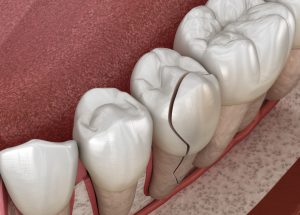
Bonding excels at repairing minor chips and cracks, particularly on front teeth. Whether you chipped your tooth biting into something hard or during a sports accident, composite resin can restore the original shape quickly and affordably. Candidates with chips involving less than one-third of the tooth typically achieve excellent results with bonding.
Gaps Between Teeth
Small to moderate gaps between teeth, especially the front teeth, can be closed effectively with bonding. Candidates who want immediate results without orthodontic treatment find this approach appealing. However, gaps wider than two to three millimeters may be better addressed with orthodontics or veneers for optimal aesthetics and proportion.
 Discolored Teeth
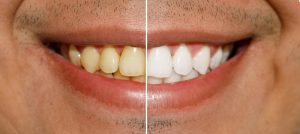
Teeth with extrinsic staining, tetracycline discoloration, fluorosis, or other intrinsic stains that don’t respond to whitening can be covered with composite resin. Candidates with one or two discolored teeth that stand out from their otherwise white smile are perfect for bonding. Extensive discoloration affecting multiple teeth might be better served by veneers or full-mouth tooth whitening combined with selective bonding.
Misshapen Teeth
Teeth that are too short, too pointed, or irregularly shaped can be recontoured and lengthened with bonding. Candidates who want to correct minor shape issues without the extensive preparation required for crowns benefit from bonding’s conservative approach. Teeth with more severe shape abnormalities may need veneers or crowns for adequate correction and strength.
 Exposed Roots from Gum Recession
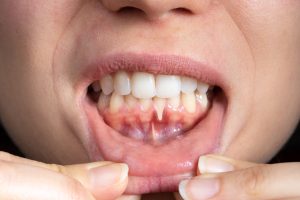
When gum recession exposes tooth roots, bonding can cover the sensitive areas and protect them from decay. Candidates with mild to moderate recession causing sensitivity are ideal. Severe recession may require gum grafting for optimal long-term results, though bonding can supplement grafting procedures.
Small Cavities
Composite resin bonding provides an aesthetic alternative to metal amalgam fillings for small to medium cavities. Candidates who want tooth-colored restorations that blend with their natural teeth choose bonding over traditional silver fillings. Very large cavities may require more extensive restorations, such as composite fillings, inlays, onlays, or crowns.
Worn Teeth
Teeth worn down from grinding, acid erosion, or age can be rebuilt with bonding to restore their original length and protect them from further damage. Candidates with mild to moderate wear are suitable for bonding. Those with severe grinding habits may need to address the underlying cause first with a nightguard, or the bonding will fail quickly.
Extensive Damage or Large Existing Fillings
If your teeth have lost more than 30-40% of their structure, crowns typically provide better protection and longevity than bonding. Teeth need the comprehensive coverage that crowns provide. Bonding works on top of the tooth structure but doesn’t wrap around and protect weakened teeth the way crowns do.
Severe Multi-Tooth Discoloration
Patients with severe tooth discoloration affecting multiple teeth throughout their smile may achieve better results with porcelain veneers or a combination of professional whitening followed by selective bonding. While bonding can mask discoloration, covering many teeth with composite resin may not look as natural as other options.
 Heavy Teeth Grinding or Clenching
Heavy grinders or clenchers often experience bonding failure due to the extreme forces involved. Unless the grinding can be controlled with a nightguard and behavior modification, these patients may find that bonding doesn’t hold up well over time. Even with a nightguard, severe bruxism may cause repeated bonding failures.
Teeth Requiring Significant Structural Rebuilding
Teeth requiring significant structural rebuilding or shape changes are often better candidates for crowns. Bonding works best for minor to moderate changes, while extensive alterations need the strength and coverage that crowns provide. Large buildups with bonding tend to break or debond.
Active Orthodontic Treatment
Those undergoing orthodontic treatment should typically wait until they complete alignment correction before having bonding done. As teeth move during orthodontics, bonding done mid-treatment may not be in the correct position once teeth reach their final locations. Wait until your teeth are in their permanent positions.
Insufficient Enamel Thickness
Teeth with very thin enamel from erosion or genetic factors may not provide an adequate bonding surface. The composite resin needs sufficient enamel to adhere to for long-term success. In these cases, veneers or crowns that mechanically lock onto prepared tooth structure work better.