


What Is Gum Disease?
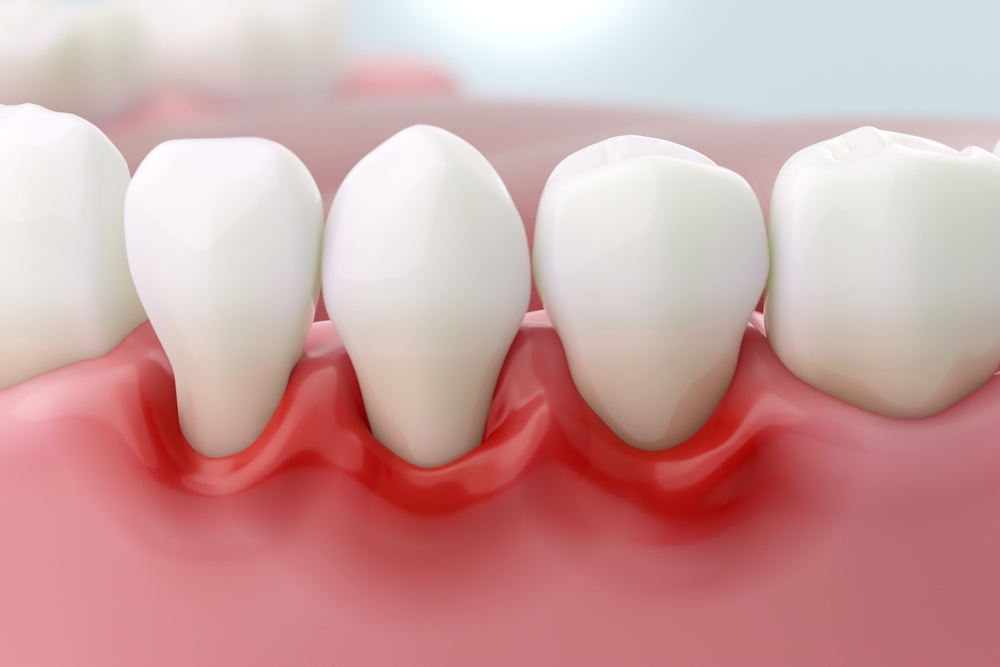 Gum disease, or periodontal disease, affects the gums and surrounding tissues of the teeth. It’s caused by bacterial buildup and plaque on the teeth, which can lead to inflammation, swelling, and infection. If left untreated, gum disease can cause damage to the teeth and gums, leading to tooth loss and other health complications.
Periodontal disease progression is influenced by various factors, including:
- Poor oral hygiene
- Smoking
- Genetic predisposition
- Hormonal changes
- Certain medications
- Systemic diseases like diabetes.
The Stages of Gum Disease
Gum disease starts when plaque bacteria build up along the gumline. Left alone, plaque hardens into tartar, which only a dental cleaning can remove. Here’s how the condition typically progresses:
- Gingivitis: The earliest stage. Gums may look red or swollen and bleed during brushing or flossing. Gingivitis is fully reversible with a professional cleaning and better home care.
- Periodontitis: Untreated gingivitis can spread below the gumline, creating pockets that trap bacteria and food debris. Over time, this can affect the tissues and bone that support your teeth.
- Advanced periodontitis: The most developed stage, with deeper pockets and more bone involvement. Teeth may loosen, and treatment focuses on protecting the teeth that remain.
Signs of Gum Disease Worth Getting Checked
 Gum disease can be painless early on, so routine checkups matter, but these signs are worth a call to our office:
- Gums that bleed during brushing or flossing
- Persistent bad breath or a bad taste that doesn’t go away
- Red, swollen, or tender gums
- Gums that appear to be pulling back, making teeth look longer
- Teeth that feel loose or a bite that feels different than usual
Professional Gum Disease Treatment Options
There are various periodontal disease treatment options available. Our treatment recommendations depend on the severity of your condition, your overall health, and your individual needs. Those treatments may include:
Gross Debridement
For patients with significant plaque and tartar buildup, especially those returning after an extended gap between cleanings, we may start with a gross debridement. This procedure removes large deposits of hardened tartar from above the gumline so your dentist can properly see and evaluate the health of your teeth and gums. It’s not a substitute for a full cleaning or scaling and root planing, but rather a first step that clears the way for an accurate diagnosis and a more thorough treatment plan.
 Scaling and Root Planing
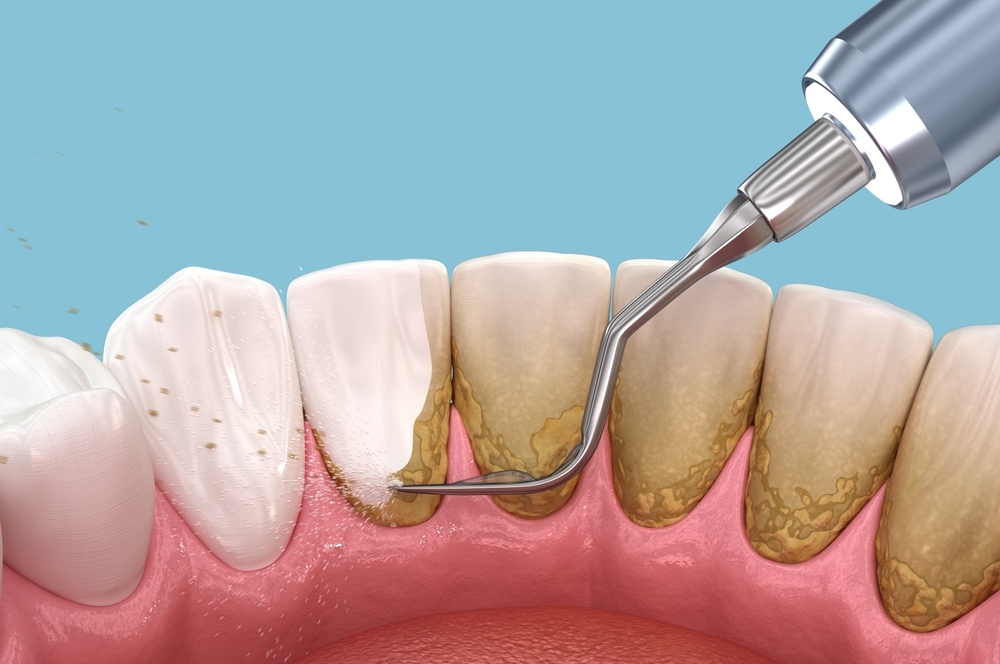
Professional dental cleanings can help prevent gum disease, but scaling and root planing go a step farther.
Scaling and root planing, often called deep cleaning, is a non-surgical procedure that removes bacterial deposits from above and below the gum line while smoothing tooth root surfaces to promote healing. Most patients need two to four visits, treated by quadrant with local anesthesia, and often see improvement within a few weeks.
Antibiotic Therapy
Antibiotic therapy can help combat the infection. Topical antibiotics like doxycycline gel can be placed directly in periodontal pockets. Oral antibiotics are sometimes used for more aggressive cases or patients with compromised immune systems.
Laser Periodontal Therapy
Laser therapy offers a minimally invasive alternative to traditional gum surgery for many patients. We use advanced dental lasers to remove infected tissue, eliminate bacteria, and stimulate healing without the need for incisions or sutures. Many patients return to normal activities within a day or two.
Surgical Periodontal Treatments
Advanced gum disease may require surgical intervention to restore oral health and prevent tooth loss. We offer several surgical options depending on your specific needs and the extent of tissue damage.
- Pocket reduction surgery, also known as flap surgery, involves lifting the gums to access infected areas that cannot be reached through non-surgical means. We remove bacteria, plaque, and tartar deposits from deep pockets, then reposition the gums to reduce pocket depths. This procedure makes it easier for you to clean around your teeth and helps prevent reinfection.
- Gum grafting procedures restore tissue that has been lost due to gum recession. We can use tissue from your palate or other sources to cover exposed root surfaces and rebuild the gum line. This treatment improves both the appearance and health of your gums while protecting sensitive tooth roots.
- Bone grafting may be necessary when gum disease has destroyed significant amounts of jawbone. We place bone graft material in areas of bone loss to stimulate regeneration and provide better support for your teeth. Combined with other periodontal treatments, bone grafting can help save teeth that might otherwise be lost.
Periodontal Maintenance, to Keep Gum Disease at Bay After Treatment
Once active gum disease has been treated, periodontal maintenance becomes the foundation of keeping it from coming back. Unlike a standard six-month cleaning, periodontal maintenance visits are typically scheduled every three to four months and focus specifically on the gum pockets and areas that were previously affected.
During these visits, we monitor pocket depth, remove any new buildup below the gumline, and catch early signs of recurrence before they progress. Patients who stay consistent with periodontal maintenance have a much better chance of keeping their teeth and gums stable long term.
Home Care and Prevention Strategies
 Daily habits go a long way toward keeping gum disease from returning:
- Brush twice daily for two minutes with a soft-bristled brush, focusing on the gumline
- Floss daily, or use a water flosser or interdental brush if traditional floss is tough to manage
- Add an antimicrobial mouth rinse if recommended, as a supplement to brushing and flossing, not a replacement
- Avoid tobacco, which slows healing and raises your risk
- Eat a balanced diet and manage stress, both of which support gum health
The Connection Between Gum Disease and Overall Health
Research points to links between gum disease and several other health areas:
- Heart Health: Bacteria from periodontal infection can enter the bloodstream and are associated with higher cardiovascular risk.
- Diabetes: The relationship runs both ways. High blood sugar makes infections harder to fight, and gum disease can make blood sugar harder to manage.
- Pregnancy: Untreated gum disease has been associated with a higher risk of premature birth and low birth weight.
- Respiratory Health: Oral bacteria can reach the lungs and may contribute to respiratory issues in some patients.
Treating gum disease supports your mouth and can be a meaningful part of your overall health picture.