

Dental Abscess Emergency Treatment in Aventura, Pembroke Pines, and Fort Lauderdale, FL
Emergency Dental Treatment When You Need It at The Dental Care Group
A dental abscess is a painful, potentially dangerous infection that requires immediate attention. If you’re experiencing swelling in your face or jaw, severe tooth pain, fever, or a foul taste in your mouth, you may have a dental abscess, and ignoring it can lead to serious complications, including the spread of infection far beyond your tooth.
Do you need an emergency dental appointment? Contact our dental practice at our Aventura office at (305) 935-2797, our Pembroke Pines office at (954) 430-2300, or our Fort Lauderdale office at (954) 963-3706.
Why The Dental Care Group Is Built for Complex Dental Emergencies
Dental emergencies are rarely one-dimensional. A broken tooth, sudden swelling, or acute pain can stem from a fractured filling, an underlying periodontal issue, or nerve involvement requiring root canal therapy, and the true diagnosis often emerges only once treatment begins. A multi-specialty dental practice model exists precisely for cases like this.
Across our Aventura, Pembroke Pines, and Fort Lauderdale offices, general dentists, periodontists, endodontists, and oral surgeons collaborate directly on each patient’s treatment plan. If diagnosis reveals the need for root canal therapy, periodontal care, or extraction with same-day tooth replacement planning, treatment continues in-house, with the same team and the same continuity of care.

What Is a Dental Abscess?
A dental abscess is a localized collection of pus caused by a bacterial infection in or around a tooth. It forms when bacteria invade the inner tissue of the tooth, including the pulp, which contains the nerves and blood vessels, or the surrounding gum and bone. The body responds to this invasion by sending white blood cells to fight the infection, and the resulting buildup of pus, dead tissue, and bacteria creates a pocket of intense pressure that produces the characteristic throbbing pain of an abscess.
Left untreated, a dental abscess does not resolve on its own. The infection can spread to the jawbone, the soft tissues of the neck and floor of the mouth, and in serious cases, to the bloodstream, a condition called sepsis that can become life-threatening. This is why a dental abscess is always an emergency, not a condition to wait out.
Types of Dental Abscesses
There are three main types of dental abscesses, distinguished by where the infection originates:
- Periapical abscess: Forms at the tip of the tooth’s root, typically as a result of untreated decay or dental trauma that allows bacteria to reach the pulp.
- Periodontal abscess: Affects the gum tissue and supporting bone around the tooth and is commonly associated with advanced gum disease or a foreign object trapped beneath the gumline.
- Gingival abscess: More superficial and limited to the gum tissue itself, often caused by something as simple as a food particle or toothbrush bristle becoming embedded and triggering a localized infection.

Symptoms of a Dental Abscess
The symptoms of a dental abscess can range from highly localized to systemic, depending on how advanced the infection is.
- Severe toothache that may radiate outward to the jaw, ear, or neck
- Visible swelling, with the face, cheek, or nearby gum tissue appearing puffy or inflamed
- Red, tender, shiny gum tissue around the infected tooth, sometimes with a pimple-like bump called a fistula or sinus tract that may periodically drain
- Fever and chills, signaling that the infection is no longer contained within the tooth and surrounding tissue and is beginning to affect the body more broadly
- Bad breath or a persistent foul, salty taste in the mouth, particularly if the abscess has begun draining
- Difficulty chewing, swallowing, or fully opening the mouth, along with swollen and tender lymph nodes under the jaw or in the neck
If you’re dealing with an abscessed tooth, contact our South Florida emergency dentist at Aventura (305) 935-2797, Pembroke Pines (954) 430-2300, or Fort Lauderdale (954) 963-3706 right away.
Causes of a Dental Abscess
Most dental abscesses develop when bacteria gain access to the tooth’s interior or the surrounding tissue. Common causes include:
- Untreated Tooth Decay: A cavity that progresses through the enamel and dentin eventually reaches the pulp chamber, where bacteria proliferate, and infection takes hold.
- Advanced Gum Disease: Deep pockets between the tooth and gum allow bacteria to thrive and bone loss to accelerate, eventually leading to a periodontal abscess.
- Cracked or Chipped Teeth: Even without visible decay, a crack provides a direct route for bacteria into the pulp.
- Failed or Aging Dental Restorations: A leaky filling or a crown with a compromised margin can allow bacteria to re-enter a previously treated tooth.
- Poor Oral Hygiene: Allowing plaque and tartar to accumulate creates the conditions for decay, gum disease, and infection.
- Compromised Immune System: Patients managing conditions like diabetes are at elevated risk for dental infections and may develop more severe abscesses with less provocation.
How to Manage a Tooth Abscess Before Seeing a Dentist
If you have a dental abscess, the most important thing you can do is call our office and get there as quickly as possible. No home remedy will eliminate a dental abscess. However, while you’re waiting for your appointment, there are steps you can take to manage discomfort and avoid making the situation worse.
Rinsing gently with warm salt water, one teaspoon of salt dissolved in a glass of warm water, several times a day, helps reduce the bacterial load in the mouth and can provide some temporary comfort. Ibuprofen at the labeled dose is the most effective over-the-counter option for dental abscess pain because it addresses both the pain and the inflammation driving it. Acetaminophen can be alternated for additional relief. Applying a cold compress to the outside of the cheek for 15 minutes at a time helps reduce swelling. Stick to lukewarm, soft foods and avoid anything that puts pressure on the affected tooth.
Do not attempt to drain or pop the abscess yourself. This is not just ineffective; it can push bacteria deeper into the tissue, spread the infection to adjacent areas, and introduce additional bacteria from the skin surface into an already compromised wound.
Emergency Dental Treatment for Dental Abscesses
Draining the Abscess
For many abscesses, the first and most immediately relieving step is drainage. Our dentist makes a small incision in the abscess under local anesthesia, allowing the accumulated pus to drain and the pressure, which is responsible for much of the intense pain, to be released immediately. The area is thoroughly cleaned and irrigated, and in some cases, a small drain is temporarily placed to keep the pathway open and ensure complete drainage as healing begins.
Root Canal Treatment
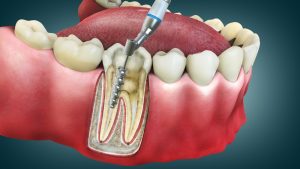
For a periapical abscess caused by pulp infection, root canal therapy is the definitive treatment and the one most likely to allow the tooth to be saved. Our dentist removes the infected pulp tissue from the interior of the tooth, cleans and disinfects the root canal system, and seals it permanently to prevent reinfection. A crown is then typically placed over the tooth to restore its strength and function.
Tooth Extraction
When the tooth is too severely damaged to be saved, whether due to the extent of the fracture, advanced decay, or significant bone loss, dental extraction becomes the appropriate path forward. Removing the source of the infection is the most direct way to resolve it, and our team will discuss your tooth replacement options at the same appointment, so you leave with a clear plan for restoring your smile.
Antibiotics
Antibiotics are an important part of managing a dental abscess, particularly when the infection shows signs of spreading beyond the local area. Fever, swollen lymph nodes, or facial swelling all suggest systemic involvement. It is critical to understand that antibiotics treat the symptoms of infection and prevent it from spreading further, but they do not eliminate the source of the infection itself. Without definitive dental treatment, the abscess will return once the antibiotic course is complete. Antibiotics are a bridge, not a cure.
Do you need emergency dental treatment? Contact our South Florida dentist at Aventura (305) 935-2797, Pembroke Pines (954) 430-2300, or Fort Lauderdale (954) 963-3706. We’ll get you the care you need as soon as possible.
When a Dental Abscess Becomes Life-Threatening
A dental abscess that spreads beyond the local tissue can quickly become a medical emergency. Ludwig’s angina, a rapidly advancing bacterial infection that spreads from a lower tooth abscess into the floor of the mouth and neck, can obstruct the airway within hours. Cavernous sinus thrombosis, in which infection reaches the brain through the venous system, is another rare but potentially fatal complication. These situations are uncommon, but they underscore why a dental abscess should never be dismissed or delayed.
Seek emergency room care immediately, or call 911 if necessary, if you experience any of the following:
- Swelling in the neck or throat that is spreading visibly
- Difficulty breathing
- Difficulty swallowing that is worsening
- Swelling that is closing one eye
- High fever above 103°F
- Signs of severe systemic illness, such as confusion, rapid heart rate, or extreme weakness
After ER stabilization, follow up with our office for definitive dental treatment.

Preventing Dental Abscesses
Most dental abscesses are preventable with consistent oral hygiene and regular professional care. Key habits include:
- Brush and floss daily: Brushing twice daily with fluoride toothpaste, flossing every day, and using an antiseptic mouthwash eliminates the plaque bacteria responsible.
- Limit sugar intake: Reducing sugar removes the primary fuel source for harmful oral bacteria.
- Keep up with regular checkups: Biannual dental visits and professional teeth cleanings allow us to catch cavities before they progress to infection.
- Wear a mouthguard: A custom mouthguard protects teeth from grinding and sports-related trauma that can allow bacteria to enter the pulp.
- Quit smoking: Smoking dramatically increases the risk of gum disease and the periodontal abscesses associated with it.
Frequently Asked Questions
How do I know if I have a dental abscess?
The most reliable signs are a severe throbbing toothache, visible swelling of the face or gum, fever, and a pimple-like bump on the gum that may drain a salty or foul-tasting fluid. If you’re experiencing these symptoms, call our office immediately for an evaluation.
Can a dental abscess heal on its own?
No. A dental abscess will not resolve without professional treatment. The source of the infection, whether decayed tooth structure, a compromised pulp, or a periodontal pocket, remains present and active regardless of whether the abscess is draining. Left untreated, the infection will spread.
Is a dental abscess always an emergency?
Yes, particularly if you have a fever, facial swelling, or any difficulty breathing or swallowing. Even a “quiet” abscess that isn’t causing acute pain is an active infection that requires prompt professional treatment to prevent serious complications.
Contact Our South Florida Dentists For Emergency Dental Care, Even On Saturdays
A dental abscess is a painful and potentially dangerous condition that requires immediate care, not a wait-and-see situation. The Dental Care Group has provided emergency dental treatment to South Florida families for over 50 years. Our multilingual staff speaks English, Spanish, Hebrew, Portuguese, Creole/Haitian, and Russian, and we offer Saturday hours at all three locations so you can reach us when you need us.
Contact our dental office at Aventura (305) 935-2797, Pembroke Pines (954) 430-2300, or Fort Lauderdale (954) 963-3706 to see our dentist as soon as possible.