

Oral Cancer Screenings in Aventura, Pembroke Pines, and Fort Lauderdale, FL
Protecting Your Health with Early Detection at the Dental Care Group
Oral cancer is a serious health concern that can significantly impact quality of life. Early detection through oral cancer screenings is vital for improving survival rates and treatment outcomes. Many people are unaware of the signs, leading to late-stage diagnoses and more complex treatments. Understanding symptoms and risk factors empowers you to take proactive steps toward your oral health and overall well-being.
Under the visionary leadership of founder Dr. Rick Mars, our team of dedicated doctors and staff at the Dental Care Group is committed to helping you maintain optimal oral health through thorough and compassionate care, ensuring you feel comfortable and informed every step of the way. This comprehensive guide explores the symptoms, risk factors, and preventive measures associated with oral cancer, highlighting the importance of regular screenings. To schedule your screening, you can call our Aventura dental office at (305) 935-2797, our Pembroke Pines dental office at (954) 430-2300, or our Fort Lauderdale dental office at (954) 963-3706.
Why Choose The Dental Care Group for Oral Cancer Screenings
Spotting oral cancer early takes more than a quick visual check. It takes a clinician who knows what to look for. At The Dental Care Group, patients benefit from a team that brings genuinely diverse expertise to every exam.
- Dr. Rick Mars, a Georgetown-trained dentist with over 25 years in the Miami area, has presented on dental health in hospital settings nationwide and authored a published book on modern dentistry.
- Dr. Joel Glicksman’s three-decade focus on medically complex and geriatric patients means he understands how systemic conditions and medications can affect oral tissue, a context that matters when evaluating unusual findings.
- And when something in the mouth warrants a closer look, board-certified periodontist Dr. Matthew Fien brings a research background that includes published work in peer-reviewed journals on periodontal and tissue health.
And, that’s just three members of our multitalented, multilingual dental team.
What Is Oral Cancer?
Oral cancer refers to any cancerous growth developing in the oral cavity, including the lips, tongue, gums, and throat. It involves the uncontrolled growth of abnormal cells that can spread if not detected and treated early. Regular screenings are vital for identifying these changes before they become more serious. Early intervention significantly improves outcomes.
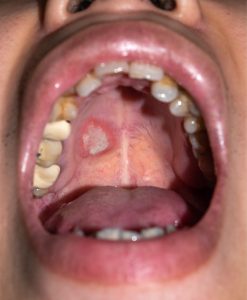
Oral Cancer Screening Technologies and Methods
Early detection of oral cancer is often aided by specific technologies and methods used during your screening.
- Visual Examination: Your dentist inspects your mouth, throat, and surrounding areas for visible abnormalities like sores or lumps.
- Palpation: The dentist gently feels your neck, jaw, and oral tissues for unusual lumps, thickening, or swollen lymph nodes.
- Velscope Technology: This device uses a special light to highlight abnormal tissue, improving early detection of lesions.
- Brush Biopsy: If a suspicious lesion is found, a brush biopsy collects cells for laboratory analysis to check for cancer.
Benefits of Oral Cancer Screenings
Regular oral cancer screenings offer significant advantages for your health and peace of mind. They are a simple yet powerful tool in preventive care.
- Early Detection: Identifying cancer early dramatically increases treatment success and allows for less invasive procedures.
- Improved Survival Rates: Early detection leads to significantly higher five-year survival rates for oral cancer patients.
- Reduced Treatment Complexity: Early-stage cancers require less extensive treatments, leading to smoother recovery.
- Peace of Mind: Proactive screening alleviates anxiety and provides reassurance about your oral health.
- Pre-Cancerous Lesion Identification: Screenings can spot precancerous changes, allowing for preventive intervention before cancer develops.
- Comprehensive Oral Health: Screenings are part of routine dental exams, offering an overall check-up for your entire mouth.
- Personalized Risk Assessment: Your dentist discusses your risk factors, offering tailored advice on prevention and lifestyle adjustments.
Who Is a Good Candidate For an Oral Cancer Screening?
Oral cancer screenings are beneficial for nearly everyone, but certain individuals should be particularly diligent.
- Adults Over 45: Risk increases with age, making regular screenings especially important for this demographic.
- Tobacco Users: Smoking or chewing tobacco significantly elevates oral cancer risk.
- Heavy Alcohol Consumers: Frequent alcohol intake is a known risk factor.
- HPV-Positive Individuals: Certain HPV strains are linked to oropharyngeal cancers.
- Previous Oral Cancer Patients: Survivors require ongoing monitoring for recurrence.
- Excessive Sun Exposure: High sun exposure without lip protection increases lip cancer risk.
The Oral Cancer Screening Process – Step by Step
Oral cancer screenings are typically a part of a routine dental exam.
Health History Review
Before the physical examination, our team will conduct a thorough review of your medical history. We’ll discuss your lifestyle habits, including tobacco and alcohol use, and any specific concerns you may have. This initial conversation helps us identify potential risk factors and tailor the screening to your individual needs.
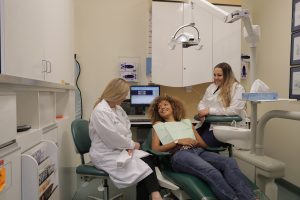
External Visual Examination
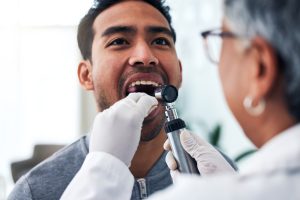
The screening begins with a careful external visual examination. Your dentist will inspect your face, neck, and lips for any signs of asymmetry, swelling, lumps, or discolored areas. This comprehensive visual check helps identify any visible abnormalities that might indicate a concern.
Internal Visual Examination
Next, we will perform a detailed internal visual examination of your oral cavity. This involves carefully looking at your tongue, gums, cheeks, the roof of your mouth, and the area under your tongue. We are looking for any unusual sores, red or white patches, or other changes in the tissue.
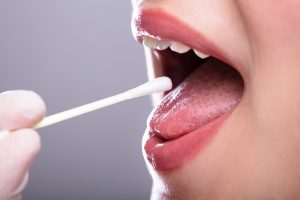
Palpation of Oral Tissues
Following the visual inspection, your dentist will gently palpate, or feel, your jaw, neck, and the soft tissues inside your mouth. This tactile examination helps detect any hidden lumps, thickening, or tenderness that might not be visible. We also check for swollen lymph nodes, which can sometimes be an indicator of an underlying issue.
Advanced Screening (If Used)
In some cases, advanced technologies like Velscope or an oral cancer screening dye may be utilized to enhance the screening process. Velscope uses a special light to highlight abnormal tissue, while a screening dye can help make suspicious areas more visible. The use of such tools significantly improves the early detection of potentially problematic lesions.
Discussion of Findings
After the examination, your dentist will discuss any findings with you in a clear and understandable manner. If any suspicious areas are identified, further diagnostic steps will be recommended. This might include a brush biopsy or a referral to a specialist for a definitive diagnosis, ensuring you are fully informed and comfortable with the next steps.
Caring for Your Oral Health, Preventing Oral Cancer, and Catching Problems Early
 Maintaining good oral health habits and being aware of your body are key steps following your oral cancer screening. Your commitment to prevention continues beyond the dental chair.
- Regular Self-Exams: Periodically check your mouth for new sores, lumps, or discolored patches. Report concerns to your dentist.
- Quit Tobacco Products: Quitting tobacco is the most impactful step to reduce oral cancer risk.
- Limit Alcohol Consumption: Reducing alcohol intake significantly lowers your risk profile.
- Maintain a Healthy Diet: Eat plenty of fruits and vegetables, rich in antioxidants, to support overall health.
- Practice Good Oral Hygiene: Brush and floss daily to keep your mouth healthy and spot changes easily.
- Protect Your Lips from Sun Exposure: Use SPF lip balm outdoors to guard against sun-related lip cancer.
- Schedule Follow-Up Screenings: Adhere to your dentist’s recommended schedule for future screenings and check-ups.
Cost & Financing For Oral Cancer Screenings
The cost of an oral cancer screening is often included as part of your routine dental examination. Many dental insurance plans cover preventive services, making them accessible. We believe financial considerations should not be a barrier to essential health care. Our team helps you understand your benefits and explore payment options.
- Insurance Coverage: Most dental insurance covers screenings as preventive care. We can help verify benefits.
- Factors Affecting Cost: Cost varies based on the advanced technologies used or if follow-up diagnostic tests are needed.
- Payment Options: We offer various solutions, including cash, credit cards, and flexible financing plans.
- Transparent Pricing: Our team provides a clear breakdown of costs before your screening.
Frequently Asked Questions
How often should I receive an oral cancer screening?
Most dental professionals recommend an oral cancer screening at least once a year as part of your routine dental exam. If you have elevated risk factors, such as tobacco use, heavy alcohol consumption, or a history of HPV, your dentist may recommend more frequent screenings. Dr. Mars and his team will assess your individual risk profile and advise you on the schedule that makes the most sense for your health.
How long does an oral cancer screening take?
Oral cancer screenings are typically quick, often under 15 minutes. They are usually integrated into your routine dental check-up, making it convenient to prioritize this important health measure without a separate, lengthy appointment.
Is an oral cancer screening painful?
No, oral cancer screenings are generally not painful. You might feel some gentle pressure during the visual and tactile examination of your mouth and neck. Any advanced tools used are also designed to be comfortable and non-invasive.
Can children get oral cancer screenings?
While oral cancer is rare in children, dentists do examine their mouths for any unusual lesions or growths during routine check-ups. The primary focus for dedicated oral cancer screenings is typically on adults, especially those with specific risk factors.
Does my dental insurance cover oral cancer screenings?
Most dental insurance plans consider oral cancer screenings a preventive service and often cover them, especially when performed as part of a routine dental exam. We recommend contacting your insurance provider directly or speaking with our office staff to confirm your specific coverage details.
What are the most common risk factors for oral cancer?d?
The most common risk factors include tobacco use (smoking and chewing), heavy alcohol consumption, and certain strains of the human papillomavirus (HPV). Age (over 45) and excessive sun exposure (for lip cancer) are also significant contributors. Understanding these factors helps in prevention.
Protect Your Smile: Oral Cancer Screenings Near You
Regular oral cancer screenings are essential for early detection, significantly improving survival rates and treatment outcomes. By understanding the symptoms and risk factors, individuals can take proactive steps to safeguard their oral health. Schedule your screening today with The Dental Care Group, where Dr. Rick Mars and his team of dedicated doctors are committed to ensuring your well-being and peace of mind.
Prioritize your health and take the first step towards prevention by contacting Dr. Rick Mars and his team now. Serving patients throughout South Florida, you can reach us by calling our dental clinic in Aventura at (305) 935-2797, our dental clinic in Pembroke Pines at (954) 430-2300, or our dental clinic in Fort Lauderdale at (954) 963-3706.